
The Ramayana controversy around Nitesh Tiwari’s Ramayana: Part 1 has moved from street protests to a police station. A Hindu organisation, the Hindu Janajagruti Samiti, has filed a police complaint against the makers of the Ranbir Kapoor and Yash starrer, claiming that the film’s portrayal of characters and incidents from the epic distorts the Valmiki Ramayana and hurts Hindu religious sentiments, according to Filmibeat. The complaint was lodged at the Mulund West Police Station in Mumbai by the organisation’s spokesperson, Satish Kochrekar, and the group made the development public through a post on its official X account late on 23 November. It is important to be clear at the outset: everything the complaint says about the film’s content is an allegation made by the complainant organisation. None of it has been established by any court or authority, and this report describes the claims as claims — nothing more.
Quick Facts
- Film at the centre of the Ramayana controversy: Ramayana: Part 1, directed by Nitesh Tiwari
- Complaint filed by: Hindu Janajagruti Samiti, through its spokesperson Satish Kochrekar
- Filed at: Mulund West Police Station, Mumbai
- Core allegation: The film allegedly distorts the Valmiki Ramayana and hurts religious sentiments
- Action sought: An FIR under Sections 299 and 196 of the Bharatiya Nyaya Sanhita (BNS), 2023, and an investigation of the film, its screenplay and dialogues
- Makers’ response: No public response from the film’s makers has been reported so far
What The Complaint Alleges About Ravana’s Portrayal
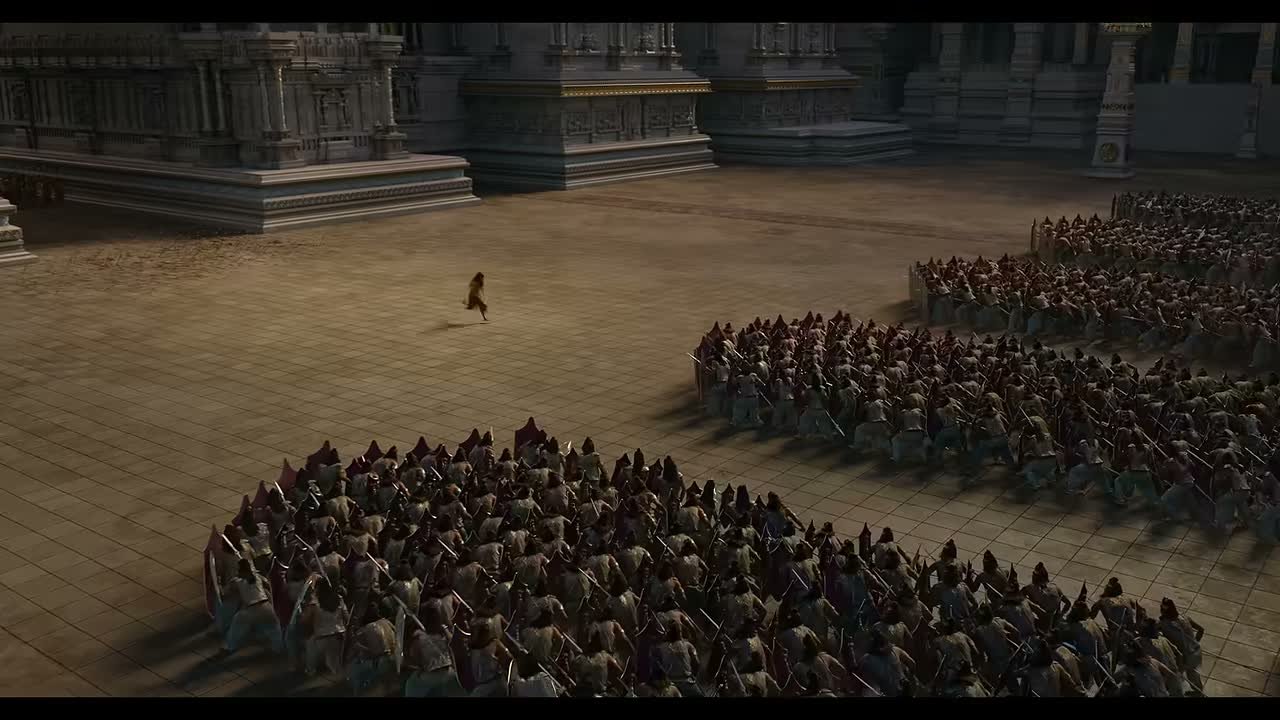
According to the organisation, its biggest objection concerns how Ravana has been characterised in the film. The complaint alleges that Ravana — played by Yash — has been presented as a saviour of the poor and a protector of women. The group has further objected to what it describes as the glorification of Ravana as an unarmed warrior who defeats a huge army. In the complainants’ reading, such a portrayal allegedly recasts the epic’s principal antagonist in heroic terms, which they claim departs from the Valmiki Ramayana. These are the organisation’s characterisations of the film’s content, reported here as allegations; the film’s makers have not commented on them in any report so far.
Claims About Rama, Lakshman And Sita
The complaint, as reported, does not stop at Ravana. The organisation has questioned an alleged depiction of Lord Rama fleeing in fear from demons. It has also objected to the way Lakshman has reportedly been portrayed, claiming the character comes across as arrogant and disrespectful towards elders and gurus. Goddess Sita’s portrayal has been flagged as well: the organisation claims the film includes a scene in which Sita reprimands Lakshman over his interaction with Shurpanakha. Beyond individual characters, the complaint objects to what the group considers fictional additions to the epic, pointing in particular to an alleged sequence in which Lord Rama apologises to the demons Khara and Dushana. Kochrekar has cited these objections in the complaint, arguing that the film’s version of the characters and incidents differs from the Valmiki Ramayana, according to Filmibeat.
From Protests To A Police Complaint
The police complaint did not arrive out of nowhere. According to Filmibeat, the Hindu Janajagruti Samiti had already been campaigning against the film before it took the legal route, and had reportedly organised protests in Mumbai and Kolhapur over the same objections. At those demonstrations, the group demanded that the scenes and dialogues it considers objectionable be removed from the film. The complaint at Mulund West Police Station is therefore an escalation of a protest campaign that was already under way: having made its objections public on the street and on social media, the organisation has now placed them before the police in a formal written complaint, with specific legal provisions cited and specific investigative steps requested.
What Action The Organisation Has Asked For
The complaint reportedly asks the police to register an FIR under Sections 299 and 196 of the Bharatiya Nyaya Sanhita (BNS), 2023, and to take legal action against those responsible for the film. It also seeks a detailed investigation into the film itself, including its screenplay and dialogues, and asks that every scene the organisation considers objectionable be identified and documented so that it can be recorded as evidence during the investigation. The police complaint follows protests that the group reportedly organised in Mumbai and Kolhapur, where it had demanded the removal of scenes and dialogues it found objectionable. Whether the police have registered an FIR on the complaint has not been reported yet.
What A Police Complaint Does And Does Not Mean
It is worth understanding what stage this matter is actually at. A police complaint is a first step, not a verdict. When a complaint of this nature is filed, it is for the police to assess it and decide whether it discloses grounds to register a First Information Report (FIR) and open a formal investigation. The organisation has requested an FIR, but a request is not the same thing as a registration, and no report so far says an FIR has been registered in this case. Even if the process moves forward, the allegations in the complaint would still need to be examined and, ultimately, established through due process. Until any of that happens, the claims against the film remain exactly what they are today — one organisation’s objections, formally recorded and publicly stated, and nothing beyond that.
Have The Makers Responded?
As per the reports available so far, including Filmibeat’s report on the complaint, the makers of Ramayana: Part 1 have not issued any public response to the allegations. There has been no reported statement from director Nitesh Tiwari, producer Namit Malhotra or the film’s cast addressing the complaint. If the production team does respond, this section will be updated with their version. Until then, the only side of the story on record is the complainant organisation’s.
About The Film
Ramayana: Part 1 is the first instalment of a planned two-part cinematic adaptation of the epic attributed to Valmiki, with the screenplay adapted by Nitesh Tiwari and Shridhar Raghavan. Ranbir Kapoor plays Rama and Yash plays Ravana, while Sai Pallavi appears as Sita, Ravi Dubey as Lakshman and Sunny Deol as Hanuman. The ensemble also includes Anupam Kher, Kajal Aggarwal, Rakul Preet Singh, Vivek Oberoi, Kunal Kapoor, Arun Govil and Lara Dutta. The music brings together Hans Zimmer and A. R. Rahman, in what is Zimmer’s first collaboration with the Indian film industry. The film is produced by Namit Malhotra and Yash, presented by Prime Focus Studios in association with Monster Mind Creations, with Sony Pictures Entertainment handling global distribution.
The legal row arrives while the film is in the middle of a closely watched theatrical run. The movie has already been in the headlines for the debate around its reported budget — you can read our explainer on the Ramayana budget controversy for that full story — and its daily earnings continue to be tracked in our Ramayana box office collection Day 19 report. The controversy, in other words, is unfolding alongside one of the biggest box office runs of the year, which is a large part of why it is drawing so much attention.
Confirmed Vs Unconfirmed
Confirmed: A police complaint has been filed at Mulund West Police Station by the Hindu Janajagruti Samiti’s spokesperson, and the organisation has publicly announced it along with its list of objections and demands. Not confirmed: The truth of the allegations about what the film shows — those remain the complainant’s claims. It has also not been reported whether an FIR has been registered, whether the police have summoned anyone, or whether any scene will be examined or removed. Any of those steps, if they happen, will be reported as and when they are confirmed.
What do you think — should filmmakers have complete creative freedom when adapting epics, or should there be limits? Tell us in the comments below.